Panchakarma is often described online as a detox. Yet, in Ayurveda, it is a structured system of preparation, five classical procedures, and careful recovery, planned by a practitioner for one person at a time. Because the word “detox” is used loosely, first-time researchers often struggle to tell a full Panchakarma program from a spa package with the same name.
Panchakarma as a Complete Ayurvedic System
Panchakarma sits at the center of traditional Ayurvedic practice, yet it is frequently reduced to a single massage or a seasonal cleanse. Understanding it as a system, with its own vocabulary, phases, and internal logic, makes it far easier to judge any program you come across, whether in a clinic, a retreat, or an online advertisement.
What does the word Panchakarma mean?
Panchakarma is a Sanskrit term meaning “five actions” (pancha, five; karma, action). In Ayurveda, it refers to a set of five classical procedures traditionally used to help the body eliminate accumulated waste and imbalance, always under a qualified practitioner’s guidance. It is a traditional framework, not a conventional-medicine protocol. The term also names the wider program built around those procedures, which is why practitioners speak of a Panchakarma “course” rather than a single session. Classical Ayurvedic texts place it within Shodhana, the purification branch of therapy, not the pacifying branch, Shamana.
The popular word “detox” only loosely fits. Ayurveda describes three Doshas, namely Vata, Pitta, and Kapha, as functional principles that practitioners say vary between individuals and over time. Panchakarma is traditionally understood as working with the Doshas and with Ama, a term for incompletely processed material that practitioners associate with sluggish digestion and metabolism. These are concepts from traditional Ayurvedic understanding rather than measurable entities in conventional medicine, and standard laboratory tests do not measure them. Seen this way, a Panchakarma course is less a cleanse anyone can buy and more a personalized sequence designed around the individual’s Prakruti, or inherent constitution.
How is a Panchakarma program traditionally sequenced?
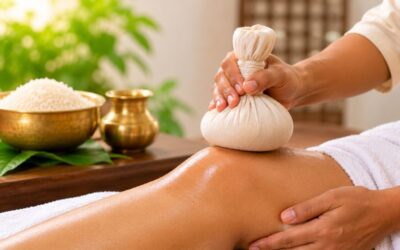
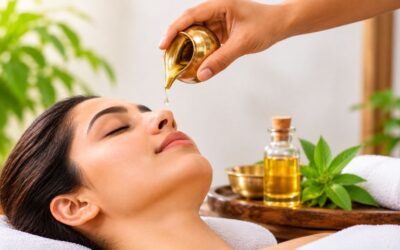
Classical Ayurvedic texts describe three phases. Purvakarma, the preparatory phase, usually involves Snehan (oil application, internal or external) and Sweda (sweating therapy) to ready the body. Pradhana Karma, the main phase, consists of the five procedures themselves, chosen by the practitioner according to the individual. Paschat Karma, the post-therapy phase, covers a gradual return to normal food and routine. Practitioners emphasize that the phases belong together: preparation shapes how well the main procedures are tolerated, and recovery shapes how the program is traditionally believed to settle. Skipping either end is considered a departure from the classical method.
The Paschat Karma phase is often the part newcomers underestimate. Traditionally, it includes Samsarjana Krama, a graded return to normal eating that begins with light, easily digested preparations such as thin rice gruel and progressively reintroduces heavier foods. Practitioners also advise a period of moderated activity, regular sleep, and avoidance of cold or very spicy food, though specifics differ by individual and by the procedures performed. Dietary and lifestyle guidance of this kind reflects traditional Ayurvedic principles rather than conventional-medicine protocols, and it is usually reviewed by the practitioner at a follow-up visit. Practitioners regard it as part of the program, not an optional extra.
The Five Procedures, Named and Placed in Context
The five-procedure structure is what gives Panchakarma its name, but it is easy to misread. The procedures are not a menu to be ordered in full, and they are not the whole of Ayurvedic care. Understanding how they are named and how they relate to the rest of Ayurveda prevents the most common misunderstandings.
Which five procedures make up Panchakarma?
Vedang Clinic’s published description lists five principal procedures under Panchakarma, and the list below follows that wording. Each is a Shodhana therapy, meaning it belongs to the purification branch of Ayurveda, and each is traditionally defined by its route or method. Entries stay brief on purpose, since this guide covers the system as a whole; mechanism, preparation, and aftercare for each procedure are covered in the Vamana to Nasyam guide. Classical sources differ slightly on how the five are counted, so readers may encounter other versions of the list elsewhere. Treat the five as a map, not as a menu.
- Vamana: therapeutic emesis, traditionally associated with Kapha-related imbalance.
- Virechana: therapeutic purgation, traditionally associated with Pitta-related imbalance.
- Sneh Basti (Anuvasana Basti): medicated oil enema, traditionally associated with Vata.
- Niruha Basti (Kashaya Basti): medicated decoction enema, also linked with Vata.
- Nasyam: nasal administration of prescribed preparations, traditionally for the head region.
Names vary more than the procedures do. The clinic’s published list gives Sneh Basti as Anuvasana Basti, and Niruha Basti as Kashaya Basti, so one therapy can appear under two labels depending on the source. Transliteration adds more variation: Virechana is also written Virechan, and Nasyam is often spelled Nasya. When comparing programs across clinics, matching these synonyms avoids mistaking one therapy for two, or counting the same therapy twice. Asking a clinic to name each procedure in both forms is a simple way to confirm everyone means the same thing.
How does Panchakarma fit with other Ayurvedic therapies?
Ayurveda classically divides therapy into Shodhana, which aims to eliminate, and Shamana, which aims to pacify. Shamana relies on herbal medicines, diet, lifestyle adjustment, and practices such as Pranayama (breathing exercises), and it is traditionally the main approach for people who are not considered suitable for the five procedures. Panchakarma therefore sits inside a larger plan rather than replacing it. Neither branch is considered superior; each is chosen for the person in front of the practitioner. Vedang Clinic reflects this in its wider service range.
An Ayurvedic consultation does not have to lead to Panchakarma. A practitioner may recommend dietary changes, herbal preparations, breathing practice, or counseling first and revisit the five procedures later, or not at all. The question can be revisited at later visits as circumstances change. Some people choose to undergo a program in a particular season, then return to Shamana-style routines afterward. Readers comparing clinics may find it reassuring when a practitioner presents Panchakarma as one option among several, rather than the default answer to every concern.
Panchakarma Versus a Spa Treatment
Some spas, resorts and online listings use the word Panchakarma loosely for a few days of massage and steam. The difference rarely lies in the branding. It lies in assessment, supervision, sequencing, and aftercare, four markers that make advertisements much easier to read. Neither is inherently wrong; they serve different purposes, and confusing them leads to mismatched expectations.
What separates a Panchakarma program from a spa package?
A spa treatment such as an oil massage or a steam session is usually a single, self-contained service designed around relaxation, and it is often booked on the day with little health history taken. A traditional Panchakarma program is a sequence. It begins with a consultation, moves through preparation, one or more of the five procedures and a recovery phase, and is adjusted as the course unfolds. The same oil massage can appear in both, but within a program it is a preparatory step with a defined purpose rather than the product itself.
Four practical differences follow from that. Assessment: a program starts with a practitioner’s evaluation of the individual, whereas a spa booking usually starts with a time slot. Supervision: procedures involving induced vomiting, purgation, or enemas need qualified oversight, which a relaxation service is not designed to provide. Duration: a program runs over days or weeks rather than a single sitting. Aftercare: diet and routine guidance continue after the final procedure. None of these makes one service better than the other; they are different products suited to different goals, and the right choice depends on what you are looking for.
How can you tell which one a listing is offering?
Four questions separate the two quickly. Who will assess me, and with what qualifications? Which procedures are proposed, and why those? What happens before and after the main procedures? Who is available if I feel unwell during the program? A clinic offering a full program can usually answer all four specifically. Vague answers, identical packages for every guest, or promises that a few days will “reset” the body are worth approaching with caution. Qualifications such as BAMS (Bachelor of Ayurvedic Medicine and Surgery) or an M.D. (Ayurveda) are published credentials you can ask about.
The word “detox” is common in marketing, whereas classical texts speak of Shodhana, purification within an individualized plan. Be cautious of any listing that promises measurable toxin removal or guaranteed results; practitioners describe outcomes as individual, and no honest provider can guarantee them. A more useful test is whether the program explains what will be done, over what period, with what supervision, and what you will be asked to do afterward. That level of description better indicates a considered program than a long list of benefits or a dramatic before-and-after promise.
Speak With an Ayurvedic Practitioner in Mumbai
Considering Panchakarma and unsure where to start? Vedang Clinic, an Ayurvedic clinic in Bandra West, Mumbai, offers consultations led by Dr. Rushalli Nair. Reach out to the clinic to ask about assessment, suitability, and current programs before deciding. Questions are welcome at any stage of your research.
How a Practitioner Decides Whether Panchakarma Suits You
Traditional practice places the decision after assessment, never before it. A practitioner weighs the person’s constitution, current state, digestive strength, age, season, and medical background before proposing any procedure, and may conclude that Panchakarma is not appropriate yet, or not at all. That judgment is the most important part of the process.
What does a practitioner assess before suggesting Panchakarma?
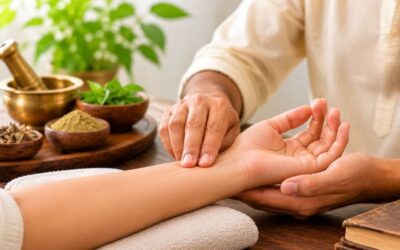
Assessment usually begins with Prakruti, a person’s inherent constitution, and Vikruti, the current pattern of imbalance. Vedang Clinic’s signature assessment is Nadi Pariksha, a traditional pulse examination. Practitioners also consider Agni, the digestive fire in Ayurvedic terms, and Bala, a person’s strength and capacity to tolerate therapy. A person with low strength may be advised to build resilience through diet and gentler therapies first. These are traditional Ayurvedic concepts that guide planning; they are not conventional diagnostic categories, and they do not replace blood tests, imaging, or specialist assessment where those are needed.
History matters as much as pulse or constitution. A practitioner typically asks about existing diagnoses, current medicines, previous surgeries, bowel habits, sleep, appetite, and stress, and may ask for recent conventional test reports. Bringing these to the first visit makes the planning conversation more productive. It helps the practitioner judge safety. A good practitioner will also explain why a particular procedure is proposed, what it involves, and what alternatives exist, including declining it. If conventional specialists are managing a condition, informing them of your plans lets both sides coordinate care rather than work in isolation.
Who is traditionally advised to delay or avoid the five procedures?
Classical Ayurvedic texts describe contraindications for each procedure, and practitioners generally apply them cautiously. Pregnancy, acute illness with fever, severe weakness or exhaustion, very young or advanced age, and certain chronic or serious conditions are commonly cited reasons to avoid or modify the more intensive procedures. In such cases, the practitioner may suggest preparatory therapies, dietary changes, or gentler Shamana-style care instead. These are traditional guidelines rather than conventional medical rules, which is why existing diagnoses should always be disclosed, and why a conventional doctor’s view is valuable in borderline cases.
Timing is also part of the decision. Traditional texts link particular procedures with seasons, so a practitioner may suggest waiting for a more suitable season rather than starting immediately. Life circumstances matter too: a program asks for rest, regular meals, and reduced commitments, so starting during an exam period, a long trip, or a demanding work deadline may undermine the program. Follow-up matters as well: practitioners usually review progress during a program and may adjust or stop procedures if the response isn’t as expected. A clinic willing to say “not now” shows the judgment that makes a program safer.
What to Expect Before and During a Program
First-time participants sometimes arrive expecting one dramatic cleanse and discover a gradual, supervised, and highly individual process. Knowing what to arrange beforehand, and what to tell the practitioner while it unfolds, makes the experience smoother and safer.
How should you prepare before a program begins?
Preparation is practical before it is anything else. Clear your diary as much as possible, since a program asks for rest and unhurried days, and arrange comfortable, loose clothing and simple travel to and from the clinic. Share a full list of medicines and supplements in advance, along with recent test reports and any conventional diagnoses. Ask what the program will include, how many visits are expected, and whether anyone will be available between visits. Asking these questions before committing is ordinary good practice, and a clinic with a considered program will expect them.
Diet and routine often change before the program itself starts. Practitioners may suggest lighter, warm, freshly cooked meals; regular mealtimes; adequate sleep; and pausing heavy or very cold foods in the days beforehand, depending on the individual. This is the preparatory (Purvakarma) stage from the patient’s side, and it varies from person to person. Follow only the guidance your practitioner gives you, rather than a generic list from the internet, because what suits one person may be wrong for another. If you feel unwell in the days beforehand, tell the clinic, since the start date can be moved.
What can you expect to feel during a program?
Responses vary widely, and practitioners describe this variability as the reason daily review matters. Patients commonly report feeling relaxed during warm, oil-based therapies, and some describe tiredness or a sense of heaviness or lightness as a program progresses. Procedures involving induced vomiting, purgation, or enemas are physically more demanding, and the practitioner usually monitors hydration, appetite, and energy closely. Nothing here should be read as a promise of a particular sensation or result. Your experience will depend on which procedures are used, your starting state, and how your body responds on each day.
Speak up early. Report anything unexpected, however minor it seems, without waiting for the next scheduled visit. A practitioner can adjust, pause, or stop a procedure, and clinics should explain in advance how to reach someone between visits. Keeping a short daily note of how you feel gives the practitioner useful detail at each review. Some patients also report emotional responses, since a quiet routine with less distraction can bring thoughts and feelings to the surface, and some programs are paired with counseling for this reason. If symptoms feel severe or alarming, seek conventional medical care immediately rather than waiting for a scheduled review.
Panchakarma at Vedang Clinic, Mumbai
Vedang Clinic is an independent Ayurvedic clinic, founded in 2008 according to its website and led by Dr. Rushalli Nair. Panchakarma forms one part of the clinic’s wider service range. Everything below is attributed to the clinic’s own published material.
How does Vedang Clinic describe its Panchakarma services?
According to its website, Vedang Clinic offers Panchakarma with treatment selection and duration determined by the practitioner’s assessment. It states that its therapists are trained in traditional Ayurvedic and Kerala therapies. It describes the five principal procedures named earlier alongside a wider catalog of external therapies, and advertises modules of 7, 14, 21, and 28 days depending on the therapy and the patient’s needs. The clinic’s main address is in Bandra West, Mumbai, and consultations are also listed at Malabar Hill. Readers should confirm current schedules, locations, and available procedures directly with the clinic, since listings elsewhere may be out of date.
The clinic’s lead practitioner, Dr. Rushalli Nair, lists her qualifications as BAMS and M.D. (Ayurveda) and names Podar Ayurved Medical College, Mumbai, as her alma mater. The clinic states more than 20 years of clinical experience, and her profile describes hands-on involvement in planning and supervising therapeutic programs since 2008. These details are published by the clinic and have not been independently verified for this article, so readers who want certainty can ask about registration details at the first consultation.
What do practitioners commonly observe in first-time patients?
Practitioners who offer Panchakarma commonly note a few patterns among first-time patients, offered here as general observations rather than individual cases. The first is that questions about food and daily routine tend to outnumber questions about the procedures themselves, because people soon realize that what happens between visits matters as much as what happens in the therapy room. The second is that newcomers frequently ask whether a program could replace a prescribed medicine, and the responsible answer is that such decisions belong to the prescribing doctor, never to a clinic or to the patient alone.
A third pattern concerns pace. People often hope to notice a change within days. In contrast, practitioners describe Ayurvedic care as gradual, with responses that differ from person to person. Hence, conversations at the first visit tend to focus on follow-up over weeks rather than a single dramatic event. These observations reflect general practitioner experience, not specific patients. Individual accounts are published on the clinic’s own testimonials page. Still, personal stories, however sincere, are not controlled clinical evidence and should not be read as predictions of what any other person will experience.
When a Conventional Doctor Should Be Involved
Panchakarma is a traditional Ayurvedic practice, and it has limits. Vedang Clinic is an independent Ayurvedic clinic, not an emergency or specialist medical service, and no Ayurvedic program should delay care that conventional medicine is better placed to provide.
See a doctor promptly, before or instead of booking, for new, severe or worsening symptoms such as chest pain, difficulty breathing, blood in the stool or black stools, persistent vomiting, unexplained weight loss, high fever or sudden weakness. These call for conventional assessment and, where appropriate, investigations such as blood tests or imaging, which traditional methods like Nadi Pariksha are not designed to replace.
Involve your doctor alongside the practitioner if you are pregnant or planning a pregnancy, have a heart, kidney, liver or lung condition, diabetes, high blood pressure or a bleeding disorder, take prescribed medicines such as blood thinners or insulin, or are recovering from surgery. Procedures involving vomiting, purgation or enemas may affect fluid balance and how medicines are absorbed, so decisions about timing and dosing belong with the prescribing doctor.
Never stop or alter prescribed medicines based on any Ayurvedic recommendation; discuss Panchakarma with all your clinicians so each knows what the other is advising.
Book a Consultation at Vedang Clinic
If you are considering Panchakarma, begin with a consultation rather than a package. Dr. Rushalli Nair and the team at Vedang Clinic, an Ayurvedic clinic in Bandra West, Mumbai, can discuss your history and questions. Use the details below to arrange a visit.
Vedang Clinic: Bandra West (primary clinic): 903, Supreme Headquarters, Plot No. 543, 33rd Road, Off Linking Road, Bandra West, Mumbai – 400050
Consultation location: Malabar Hill: Doctor Center, 201, Plot No. 135, August Kranti Road, Grant Road West, Kemps Corner, Malabar Hill, Mumbai – 400007. The website lists Tuesday appointments, 5 PM–7 PM. Please confirm before visiting.
Phone: +91 9619472255
Email: vedangclinic@gmail.com
Website: www.vedangclinic.com
Frequently Asked Questions About Panchakarma 101: The 5 Classical Detox Therapies
What happens in a Panchakarma session?
A session often opens with a short check-in on digestion, sleep, and energy so that the practitioner can adjust the day’s plan. Depending on the stage, you may receive Abhyanga (warm oil massage) and Swedana (herbal steam), or a supervised main procedure such as Virechana, followed by rest and a light meal. Sessions vary widely from person to person, and no two programs follow the same sequence.
Is Panchakarma safe for everyone?
No. Traditional texts describe separate contraindications for each procedure, so suitability is judged procedure by procedure, not for Panchakarma as a whole. Disclose all diagnoses and medicines at the first consultation, and involve your regular doctor if you have a chronic condition.
Is Panchakarma needed every year or every season?
There is no universal rule. Classical Ayurveda describes adjusting diet and routine with the seasons, a practice called Ritucharya, and some practitioners suggest seasonal programs for certain individuals. Others advise none at all. Whether a repeat program is appropriate depends on your assessment, health, and circumstances, so ask your practitioner rather than following a fixed annual schedule you see online.
Can I do Panchakarma at home?
Gentle practices such as a simple warm-oil self-massage may be done at home if your practitioner advises it. The main procedures, including induced vomiting, purgation, and medicated enemas, need a supervised clinical setting, and Kerala-style therapies depend on trained therapists using prepared oils and equipment. Home “detox kits” do not replicate a supervised program and may be unsafe for some people.
Should I stop my regular medicines during Panchakarma?
No. Never stop, reduce, or change prescribed medicines on your own, including blood-pressure, thyroid, or diabetes medication. Give your Ayurvedic practitioner a complete list, and tell your prescribing doctor about your plans. Because some procedures can affect hydration and digestion, any adjustment should be a joint decision made by the clinicians who know your full history.
Is there scientific evidence that Panchakarma works?
Published research on Panchakarma is limited and varies in quality, and large, well-controlled trials remain scarce. Most of the case for it rests on traditional use and individual patient reports, such as the testimonials a clinic publishes, which are not controlled evidence. If you have a specific health concern, a conventional doctor can explain what is and isn’t established.
How do I choose an Ayurvedic clinic for Panchakarma?
Ask who will assess you and what qualifications they hold. In India, Ayurvedic practitioners are generally expected to register with a state council; in Maharashtra, this is commonly understood to be the Maharashtra Council of Indian Medicine, so confirm current registration details directly with the clinic. Also ask how procedures are selected, who supervises them, and how to reach someone between visits before you commit to any program.
Can Panchakarma be combined with counseling, diet and breathing practice?
Yes, many Ayurvedic practices offer them together. Vedang Clinic lists Vedic counseling, Pranayama (breathing exercises), and a four-week Vedic Diet Program alongside Panchakarma, and states that Pranayama can be offered independently or with counseling. Whether any combination suits you depends on assessment, and each service should be explained separately, including the expected time commitment.